Now Truck Delivering to Michigan , Indiana, Kentucky & Middle
Tennessee to West Tennessee. Please refer to the Delivery & Location
link on the left hand menu.
Dogs And Cats Are Carnivores
It is
easy enough to prove with cats; they cannot survive without taurine, an
essential amino acid that is derived from animal protein. Cats do not produce
taurine on their own and a deficiency can lead to a slow, painful death. This
is not the only reason they are proven to be carnivorous – cats are predators.
They have sharp fangs, claws, a keen sense of smell and the ability to stalk
prey in silence. Your fluffy kitten is a natural born carnivore.
Unlike cats, there is a huge debate in the veterinary world as to if dogs are
omnivores or carnivores. Before you assume they are omnivores, consider
their ancestors: Wolves. Dogs are bred from wolves and although they are
domesticated, they still share 99.8% of the same mitochondrial DNA (rawfed.com).
Like the wolf, their intestines are short and smooth – necessary for digesting
raw meat and bacteria, they have teeth that are pointed and designed for tearing
and ripping, their saliva lacks amylase – necessary for breaking down
carbohydrates and many other similarities that their brother, the wolf,
possesses. If you still have doubts, consider reading Raw Meaty Bones, by Tom Lonsdale – your eyes will be opened.
Raw Feeding Is Affordable And Relatively Easy - If You Do Your Research
The majority of people I speak to tell me they either cannot afford raw, or do not
have the time to prepare it. This simply is not true. It is significantly
cheaper to feed raw, provided that you have the right resources and it does not
take that much time to thaw meat, separate it into baggies and freeze it –
essentially, this is what I do every month, once a month – I thaw the small,
individualized meals as necessary.
There are many different types of raw available and you may be tempted to feed
a pre-made food. If you can afford it, be my guest. However, the majority
follows a Prey Model Raw (PMR) diet and uses a ratio of 80% meat, 10% bone, and
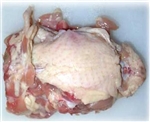
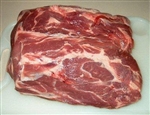
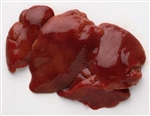
10% organ. LIVER must be given with raw diet. I will share some berries with my dogs as a treat. But never as part of their meal. Try to remember a carnivores does not properly digest plant matter, dairy or fruits in the least unless in pre-digested form. And then very little is absorbed. They are nothing more than a filler and severely lack in digestable nutrition.
There is also a debate on supplements in raw feeding. You do not have to
feed supplements IF you are feeding a good varitey of meat, bone and organs. I do add Kelp and Alfalfa powder for their power house of vitamins. Not only to help build a healthy immune system, but to also support a healty thyroid. I share with my pets, a teasspoon or 2 of coconut oil and a splash of Apple Cider Vinegar in their water. Both these are not only anti-immflamatory, but also anti-funga and anti-bacterial. These suppliments are also very healthy for humans to. I use Kelp and Alfalfa power on my salads. It does have a salty taste and is much better for you than table salt. I use coconut oil to fry or saute' my meat and veggetables. Makes a great moisturizer for your skin. And its awesome for cuts, scrapes and burns. Even as a conditioner for your hair. I use ACV in my salads, and in my hot tea. Its is wonderful for high blood pressure, arthritus, regulates the PH of your skin, Whitens teeth, helps with weight loss and gout to name a few. And has the cleaning power of bleach. Thus making it a very safe daily cleaner for your family and pets.
There are premium kibbles available, but these kibbles are not cheap to feed. I
suggest using www.dogfoodadvisor.com as a guide if you MUST feed kibble, but I
also suggest you thoroughly research any form of feeding and use proper
judgment.
Often, people will tell me their veterinarians claim raw food will give their
dog or cat various diseases and they will die a slow and painful death and that
humans have an increased risk of being infected with a food borne
disease. This is a scare tactic and completely untrue. Dogs have short
digestive tracts and they do not have food in them long enough to be affected
by disease; not to mention the fact that their stomachs are made to process raw
meat and bones. In regards to raw meat and its effect on human health,
you are no more at risk feeding raw to your dogs than you would be handling raw
meat and putting it into a pan for cooking. As long as you exercise proper
clean up it, will not be an issue. And let us not forget, salmonella is a
very real threat in kibble, not just raw. There have been multiple recalls in
regards to it being in brands of kibble, including a large recall in May. There
have also been recalls for pieces of plastic in food, melamine in food and
various other toxins and bacterial contaminants. Feeding human grade meat
is significantly safer when you weigh the chances for contamination.
Ultimately, Raw Feeding is the most natural way to maintain health in cats
and dogs. It does take some research,
but is completely manageable by even the busiest of people. There is no diet that comes without risk, for
pets or for humans. However, some diets
are superior to others.
Disclaimer: The suggestions in this blog are based on experience and research.
They are not meant to replace proper veterinary care. Carnivore Carry Out suggests
researching veterinarians in your area who may be of the holistic variety or
who encompasses natural health and its relation to pets before beginning raw
diets. Just as in humans, no diet is one
size fits all and a raw-friendly veterinarian may be best in deciding what is
right for your pet. Carnivore
Carry Out assumes no responsibility or liability for the use of the
information in this blog, as it is provided as a general resource and we are
unable to monitor its use with all readers. If you have any concerns about your
pet’s health, please contact your holistic veterinarian or other competent
professional.
.
Author: Revised Version Carol Turner 8-14-2012